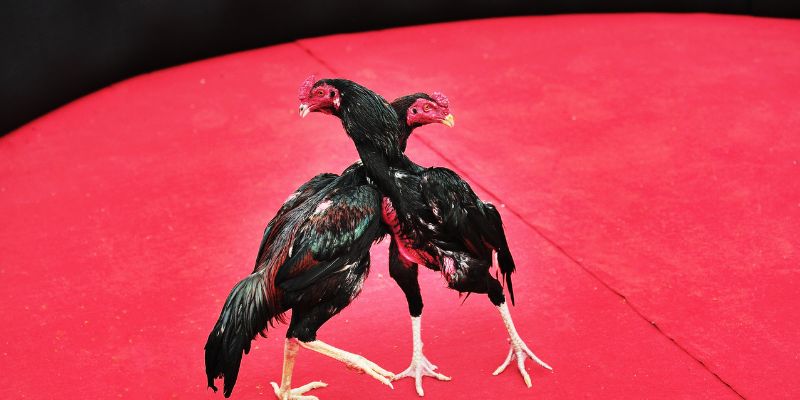
fighting
Choosing the right medication for fighting roosters is crucial for their healthy development, enhanced fighting ability, and high achievement in matches. Medications for fighting roosters not only address health issues but also provide a solid foundation for long-term, more effective competition. This article link 78win will provide detailed guidance on the benefits, limitations, tips, and risks to consider when using medication for fighting roosters.
Who should give medicine to fighting roosters – Identifying the right target and purpose of use.

Determining who needs medication for fighting roosters isn’t always clear, especially for novice breeders. Each rooster has its own health condition and training goals, so the medications need to be the most suitable.
Fighting roosters need medication when they show clear signs of health problems such as weakness, lethargy, loss of appetite, or obvious pathological symptoms. Additionally, some roosters require supplemental medication to boost their stamina, allowing them to compete continuously without fatigue. Therefore, accurately identifying which roosters need medication helps make treatment or health improvement more effective, avoiding waste and unnecessary risks.
Properly identifying the appropriate medication for each chicken depends not only on clinical manifestations but also on factors such as age, physical condition, breeding goals, and training objectives. Those who need medication should be guided by experts with in-depth knowledge or the opinions of cockfighting specialists to achieve the best results. Do not self-medicate without clear knowledge, as this can cause adverse reactions or unnecessary expense.
Understanding the appropriate medication for each stage of chicken development.
During the process of raising fighting roosters, different types of medication are needed at different stages. In the early stages, when the roosters are still healthy, they need supplements, vitamins, or medications to boost their immune system. During the preparation phase for a competition, medications to increase strength, improve physical fitness, or combat fatigue are essential.
Choosing the right medication at the right stage also helps optimize effectiveness and reduce the risk of misuse or overdose. Poultry owners need to understand the physiological characteristics of their chickens to combine medications appropriately, avoiding adverse effects or reducing the fighting ability of their warriors. A suitable medication selection strategy also helps chickens develop comprehensively and balanced physically and mentally before entering the arena.
You need to develop a clear treatment or medication plan based on each stage of development, ensuring the safety of the fighting rooster and maximizing its chances of winning. Don’t forget to consult with experts or experienced individuals for the best results during medication use.
Step-by-step guide – How to properly administer medication to fighting roosters.

Choosing the right medication is the first step, but the correct way to use it is what determines the success of treatment or improving the condition of fighting roosters. Strictly following the instructions will optimize results and avoid unwanted risks.
First, you need to clearly identify the chicken’s condition by observing clinical symptoms or conducting tests if necessary. Next, choose medication based on expert advice or from reputable sources. Accurately mixing the medication according to the prescribed dosage is also crucial to avoid overdosing or underdosing.
During medication use, it is important to carefully monitor the chickens’ reactions after each administration. Note any signs or symptoms to adjust the dosage or change the type of medication accordingly. This ensures a smooth treatment or physical improvement process, yielding the best possible results.
Steps to take to ensure proper medication use.
Establish a clear schedule for preparing, mixing, and administering medication to the chickens. Regularly monitor the chickens’ reactions to adjust the dosage or type of medication as needed.
Ensure proper hygiene during medication preparation and administration to prevent infections or gastrointestinal diseases. Additionally, consider supplemental nutrition during treatment to support better medication absorption and improve overall health.
Conduct a small trial before widespread use to test the chickens’ reaction to the medication. This is crucial in preventing unwanted side effects or allergies. Mastering this procedure will help you be more proactive in caring for and supporting your fighting chickens safely and effectively.
Benefits and limitations of medication for fighting roosters – Things to know before use.
Using medication for fighting roosters offers many clear benefits if used correctly. However, there are also limitations that require breeders to be cautious and avoid overuse. Understanding both sides of the issue will help breeders make more informed decisions.
The greatest benefit is the ability to improve immunity, enhance physical strength, and help chickens withstand diseases or environmental pathogens. The medication also helps minimize risks during training, increase fighting ability, and thus improve performance in matches. In particular, these supplements help chickens develop comprehensively and achieve a balanced physique and physical strength.
However, misuse or improper use of medication has many drawbacks. One of them is the risk of causing side effects, allergies, or disrupting the chicken’s physiological balance. Incorrect dosages can reduce immunity, cause overlapping diseases, or weaken the fighting cock instead of strengthening it.
Limitations of using medication for fighting roosters.
The inappropriate use of medication leads to drug resistance, reduced treatment effectiveness, or pathological complications. The widespread use of unregulated and unverified drugs also pollutes the poultry environment, posing long-term health risks to the entire flock.
Many people overuse medication to rapidly improve the chickens’ physical condition, leading to nutritional imbalances. The chickens’ ability to adapt to medication also decreases over time, making treatment more difficult or requiring higher doses, resulting in increased costs and potential toxicity.
Furthermore, if hygiene is not maintained and medications are not prepared according to proper procedures, infections caused by drug-resistant bacteria or parasites can easily occur. Farmers need to carefully consider the risks before using medication, combining it with a proper diet and clean farm facilities to minimize these drawbacks.
Stories of hardship and lessons learned
Many fighting cock breeders have suffered losses due to the overuse of unknown or improperly administered medications. They realize that basic knowledge or consultation with experts is essential to avoid making regrettable mistakes.
More importantly, a combination of medication, proper nutrition, and regular training will yield more positive results than relying solely on medication to enhance a fighting rooster’s ability. Understanding its own limitations and persevering in the breeding process will help fighting roosters develop comprehensively and become true warriors.
Breeders need to appreciate the effectiveness of medication, use it correctly, and minimize its drawbacks so that each fighting rooster can shine in every match. A harmonious combination of knowledge, skill, and dedication is the key to success in the field of cockfighting.
Tips and Tricks for Using Medicine on Fighting Roosters – Secrets to Enhancing Effectiveness
Choosing the right medication isn’t enough; you also need to know how to optimize the application process for maximum effectiveness. The following tips will help you feel more confident when caring for fighting roosters with medication, minimizing unwanted risks.
Proactively developing a scientific medication plan is key to avoiding waste and ensuring stability during treatment or improving the health of chickens. In addition, closely monitoring and carefully recording the chickens’ reactions allows you to flexibly adjust medication as needed.
Choosing to buy medicine from reputable sources with complete quality certifications is crucial for safety. Avoid being tempted by cheap prices or buying unregulated, unverified medicines, as this can easily lead to poisoning or adverse effects. The key to success lies in careful attention to detail in every step, ensuring your fighting rooster develops fully and achieves resounding victories.
The secret to optimal drug mixing.
Mixing medication in the correct proportions and following the proper procedure ensures that chickens absorb the maximum amount of nutrients or treatment. In addition, the mixing process must be hygienic, avoiding contamination from the environment or mixing equipment.
You should test the medication with small doses before increasing the amount to check the chicken’s reaction. This helps detect any unwanted reactions early, allowing for more appropriate and safer adjustments for your fighting cock.
Combining the right medications at each stage is also key to maximizing the growth and fighting potential of fighting roosters. Properly distributing medication will help the rooster maintain consistent performance, avoiding overload or deficiency of essential nutrients.
Tips for checking and evaluating the effectiveness of medication.
Actively monitoring the chickens’ behavior after each medication administration is key to assessing the suitability and effectiveness of the drug. Signs such as mental state, mobility, and physical manifestations are the clearest indicators of the results.
Carefully documenting your reactions helps you learn from experience and adjust dosages and medications for better results in subsequent uses. This step should not be skipped as it improves the care process and ensures maximum safety.
Finally, don’t forget to have regular check-ups or consult with experts to get an objective view and the most accurate assessment of the effectiveness of each medication. This secret will take your fighting rooster to a new level in important matches.
Risks to be aware of when using medication for fighting roosters – Prevention and timely treatment.
Although it offers many benefits, using medication for fighting roosters also carries significant risks if not done carefully. Understanding these risks is essential to protecting your fighting rooster from unwanted consequences.
Common risks include adverse reactions, allergies, toxicity, or immunosuppression in chickens. In particular, the use of drugs of unknown origin or in excessive doses can cause serious problems such as drug shock, organ damage, or long-lasting chronic disease.
Furthermore, improper combinations of medications or incorrect preparation procedures can lead to adverse drug reactions, weakening the chickens or failing to achieve the desired results. Breeders need to be aware of warning signs to take timely action and avoid negative impacts on their fighting roosters.
Signs of adverse reactions in chickens after medication.
Chickens may react abnormally after medication, such as loss of appetite, lethargy, convulsions, diarrhea, or noticeable changes in mental state. These signs need to be noted and addressed promptly to prevent the condition from worsening.
Quickly recognizing these reactions allows you to reduce the dosage or discontinue use if necessary. Simultaneously, taking the chickens to a veterinarian for examination is crucial to accurately identify the cause and address it promptly.
During monitoring, observing physical manifestations such as swelling, rashes, or unusual changes in the body helps you easily identify problems. Don’t ignore these signs because they are early warnings of medication incompatibility or allergic reactions.
Preventing risks and handling incidents when they occur.
Prevention begins with choosing medications from reliable sources, following proper preparation procedures, and using the correct dosage. Selecting reputable medications with clear certifications will minimize quality risks.
In case chickens exhibit adverse reactions, first aid measures such as reducing the dosage, rinsing the abdomen, or administering antidotes as directed by a specialist should be implemented. Simultaneously, the expertise of veterinarians will help handle urgent situations safely.
Careful attention, cleanliness, and close monitoring will help minimize risks associated with medication, while keeping your fighting rooster in top condition to overcome any challenge. Caution and thorough preparation are key to protecting the health of your fighting rooster in all circumstances.
FAQs about Medications for Fighting Roosters – Frequently Asked Questions
Are medications for fighting roosters toxic?
Carefully selected medications from reputable sources are safe when used at the correct dosage. However, overuse or use of medications from unknown sources can cause toxicity or dangerous side effects.
How can you tell if a chicken needs medication?
This is clearly indicated by symptoms such as fatigue, loss of appetite, diarrhea, or other pathological signs. In cases of uncertainty, it is advisable to consult a specialist for an accurate diagnosis.
Can medication for fighting roosters be replaced by natural methods?
Some natural herbs can support chicken health, but they cannot completely replace appropriate medications or supplements. Combining these methods is recommended for optimal results.
What is the best time to administer medication to fighting roosters?
Medication is usually given when chickens show signs of illness or during the preparation phase for competition to improve their physical condition. It should not be used indiscriminately; monitoring and consideration of the appropriate dosage for each stage of the chicken’s development are necessary.
Can I use multiple types of medication for fighting roosters?
These medications should only be used under clear guidance from a specialist, avoiding improper mixing or incompatible medications. Inappropriate use can easily lead to side effects or reduced treatment effectiveness.
Summary
Selection and usemedicine for fighting roostersProper methods are crucial for success in raising and training fighting roosters. Understanding the rooster’s needs, providing step-by-step guidance, combining practical tips, and always being mindful of risks will help you develop strong, resilient warriors who can overcome any challenge. Knowledge, patience, and caution are key to conquering the pinnacle in cockfighting. Always be a wise owner, caring for your fighting roosters with love and understanding to achieve brilliant success.